
What is One Health?
Today people, animals and the environment are more connected than ever, yet our systems are not. Without stronger coordination across sectors, we miss early warning signs, waste limited resources and fail to prevent avoidable health and environmental crises.
One Health is a UN-backed approach that recognises that the health of people, animals and the environment depend on each other - and that protecting one helps protect all. At One Health Mission we apply this proven approach to: prevent diseases, improve livelihoods and protect nature.
Visit our projects and purpose pages to learn more.
One Health in practice
One Health isn’t theoretical. It’s about simple, practical and cost-effective solutions created with communities to address disease risks early or to prevent them entirely. All over the world, these approaches are already helping people, animals and ecosystems stay healthy and delivering a range of other economic and environmental benefits. Here are some examples:
Integrated animal and human health services
Community health workers are trained and paid to provide human health, livestock care, disease surveillance, and education in disease prevention in a single visit to rural villages. Communities protect their health. Livestock receives timely treatment, preventing its diseases spreading and protecting communities’ livelihoods. Governments save time and money. Wildlife is protected from livestock diseases.

Preventing diseases by protecting forests
Small-holder farmers and forest-dependent communities are employed to restore forests to create natural barriers at sites where zoonotic disease outbreaks are likely. At the same time, community teams are trained to monitor animal health and human behaviour and identify spillover risks – preventing potential outbreaks before they occur. Nature is restored. Communities gain investment. Human health is better protected, including from potentially catastrophic new pandemics.
Safer farming and food systems
Investment in training and infrastructure allows farmers to reduce antibiotic use and improve the management of livestock waste. These everyday practices lower farmers’ costs and boost their income. Livestock diseases are less likely to spread. The risk of antimicrobial resistance is reduced.
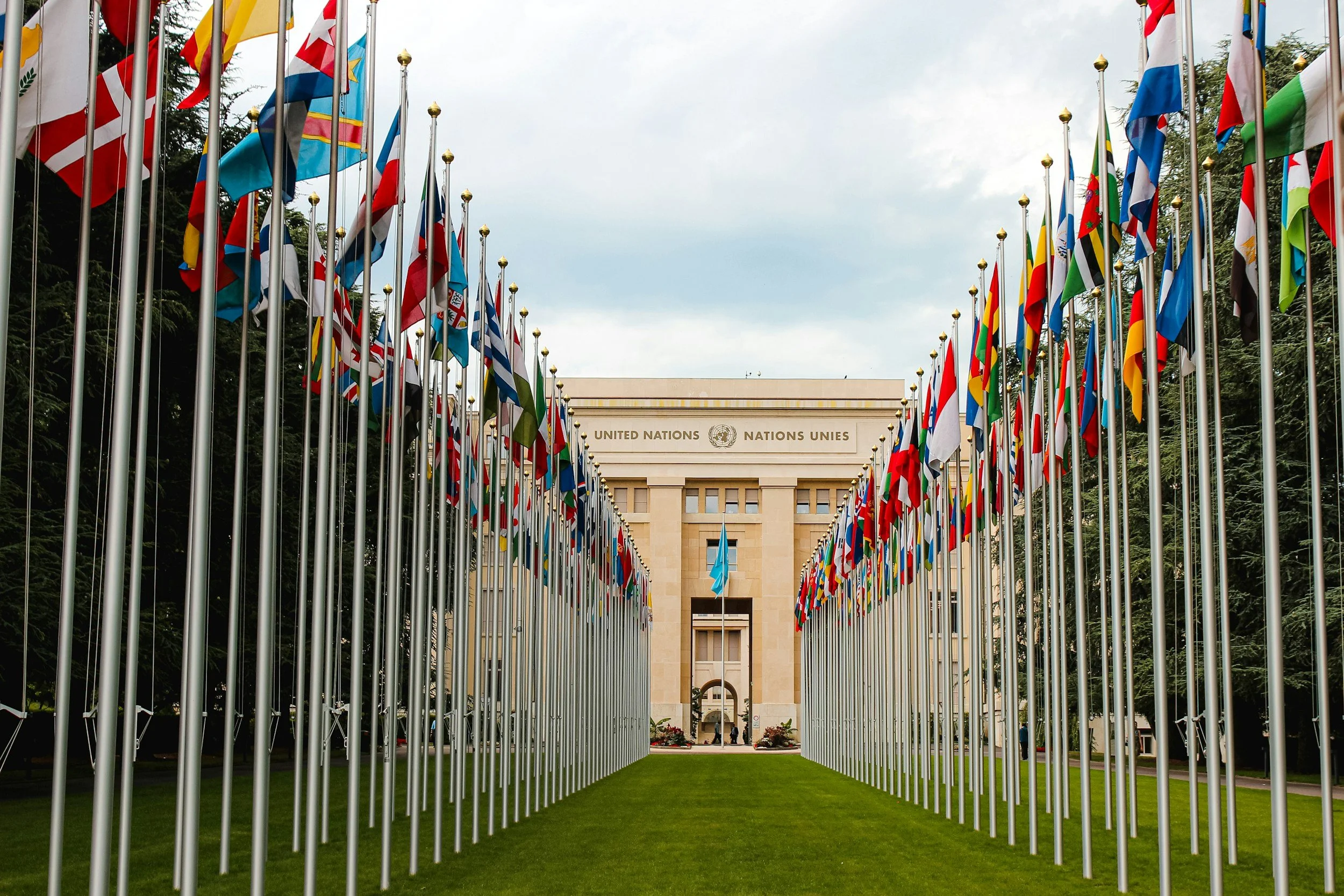
Backed by the United Nations and 194 countries
One Health is now part of global health, environmental, agricultural and conservation policy.
Four major international organisations - the World Health Organization (WHO), Food and Agriculture Organization of the United Nations (FAO), United Nations Environment Programme (UNEP) and World Organisation for Animal Health (WOAH) - have all adopted this approach. Together, they created the One Health Joint Plan of Action (2022–2026) to help countries work across human, animal and environmental systems instead of treating them separately.
The new WHO global pandemic agreement also places One Health at the heart of future preparedness. 194 countries have formally adopted this agreement, showing a shared commitment to preventing health and environmental threats by acting across all sectors.